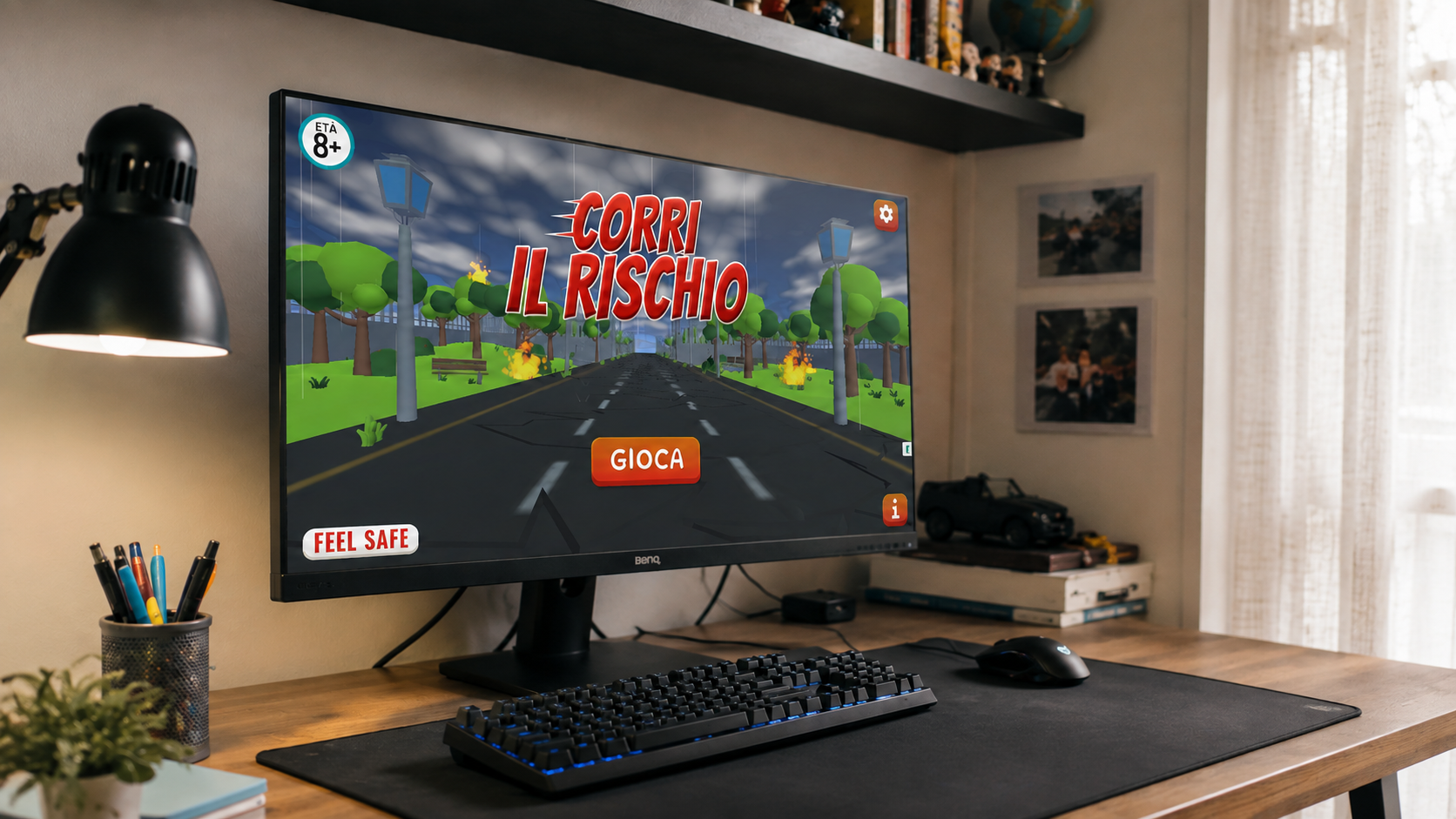
Edugames: the secret to engaging learning (with examples)

In recent years, the education sector has gone through a true digital revolution, with the introduction of interactive tools and innovative methods aimed at improving learning. Among these, edugames are emerging as one of the most effective ways to engage students and spark their curiosity. But what exactly are edugames, and why are they becoming so popular?
What are Edugames?
Edugames, or educational games, are video games designed with the goal of teaching specific concepts, skills, or knowledge through play. They combine the entertainment typical of gaming with educational elements, making the learning process more dynamic and stimulating.
These games can cover a wide range of topics, from math to languages, from history to programming, up to more complex subjects such as physics and economics. Their versatility makes them suitable for different age groups, from preschool children to adults who want to learn new skills in an interactive way.
Edugames are part of the broader edutainment field, which blends education and entertainment.
The benefits of edugames in learning
Using edugames in education offers many advantages, for both students and teachers. Here are some of the main ones:
Increased engagement and motivation
One of the biggest obstacles in traditional learning is students losing interest. Edugames keep motivation high through engaging mechanics, rewards, challenges, and immediate feedback.
Experiential, active learning
Unlike passive teaching methods, edugames encourage active learning because students experience subjects directly. For example, a simulation game can help students understand how a market economy works in a practical and intuitive way.
Personalized learning
With edugames, learning can be adapted to each student’s level and pace. Many educational games offer progressive difficulty levels and personalized paths, allowing users to move forward according to their abilities.
Development of transferable skills
Beyond specific knowledge, edugames help develop transferable skills such as problem-solving, critical thinking, collaboration, and time management. These skills are essential not only in school, but also in the workplace.
Immediate feedback and self-assessment
One of the most powerful aspects of edugames is their ability to provide immediate feedback. This allows students to quickly spot mistakes, correct them, and improve performance without waiting for external assessment.
Edugames in different contexts
The use of edugames extends to several areas, including:
1) Schools and universities
Many educational institutions are integrating edugames into their curriculum to make lessons more interactive and engaging. For instance, games like Minecraft: Education Edition are used to teach concepts in math, science, and coding.
2) Corporate training
Companies are increasingly adopting gamification solutions for employee training. Through custom edugames, workers can acquire new skills and improve performance more effectively than with traditional training courses.
3) Informal learning and self-study
Thanks to the spread of educational apps and online platforms, anyone can use edugames to learn new skills independently. From language learning to logic games, the range of options is huge and accessible to everyone.
4) Educational fairs and events
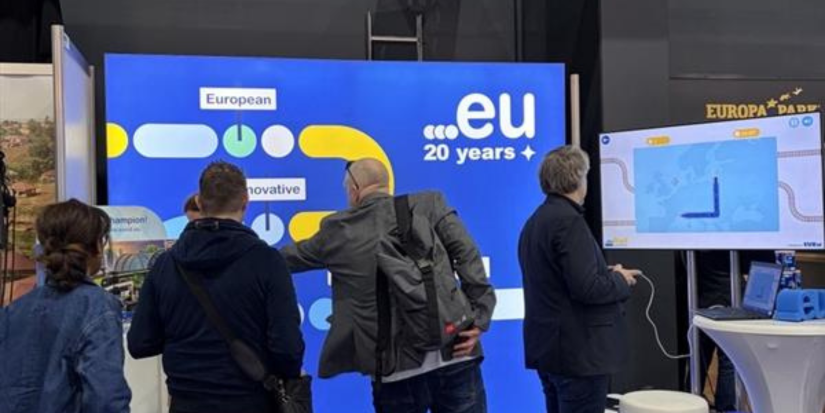
Edugames are often used at educational fairs and events to attract and engage the public. Code This Lab, for example, develops custom gaming solutions for corporate and training events, offering interactive experiences that support learning.
Practical examples
More and more companies, educational organizations, and brands ask us for educational games—both for adult audiences and for kids.
One of the most interesting examples is the edugame (or serious game) created for Carpigiani.
Scale Up
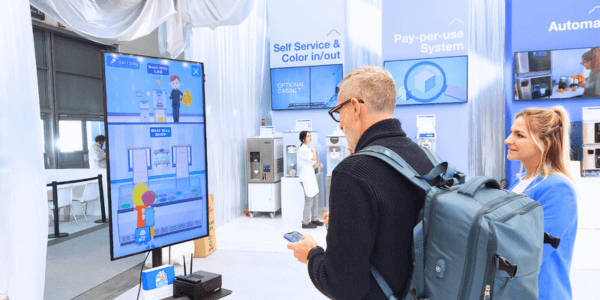
The game offers a gamified journey designed to share information about a specific professional sector and the distinctive features of the company’s products.
You won’t find only animated characters and challenges: there are also infographics and captions that explore the technical aspects of gelato machines and the commercial scenarios related to the context.
The game focuses on the gelato maker’s career path, a climb toward success that starts with opening the first shop and ends with creating a centralized production lab that supplies multiple stores.
Twin The Bin
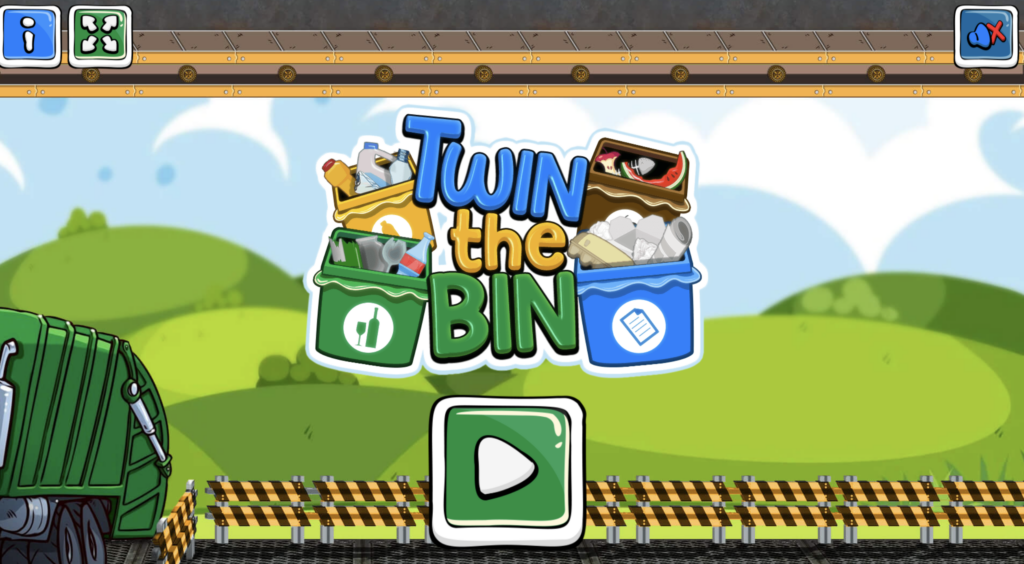
Twin the Bin is an edugame we developed to teach primary school children the importance of recycling in a simple and fun way.
Through a matching mechanic, players must sort different types of waste into the correct bins, building environmental awareness and learning the basic rules of recycling. As they progress, the instructions change and players must select the items to collect: plastic, cardboard, organic waste, and non-recyclable materials.
The game trains quick thinking and attention, turning an educational topic into an engaging activity that helps children internalize good ecological habits from an early age. Twin the Bin shows how edugames can be effective tools for awareness and education, making learning interactive and engaging.
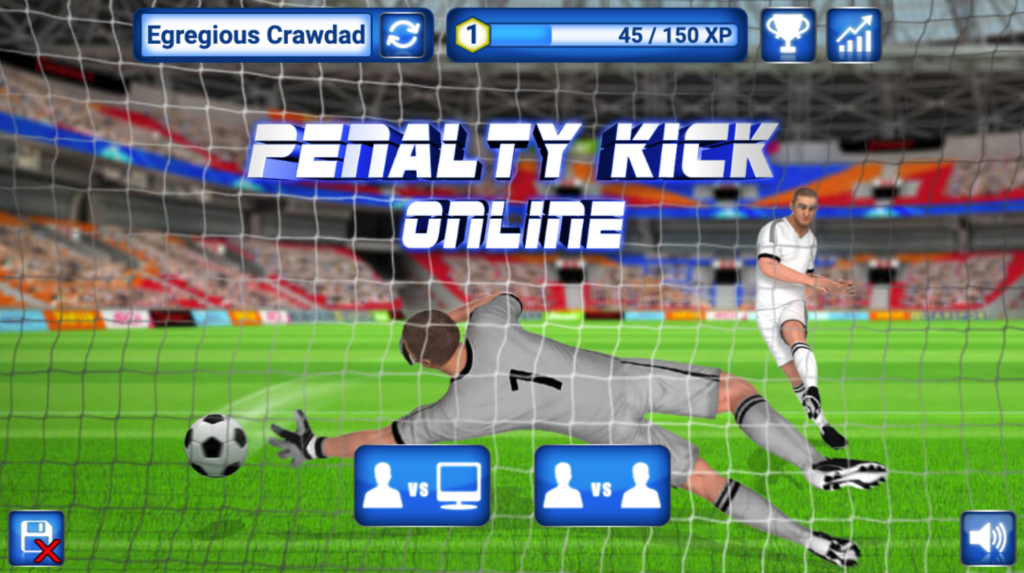
Penalty Kicks Cool Math is a perfect example of how edugames can turn learning into an engaging experience.
The game combines the excitement of penalty kicks with logic and mental calculation speed, challenging players to solve math operations in order to take accurate shots and beat the goalkeeper. Each correct answer lets you take a shot, while mistakes can jeopardize victory, encouraging quick thinking and the ability to solve problems under pressure.
Thanks to its interactive dynamics and the integration of math into a playful context, Penalty Kicks Cool Math strikes a strong balance between learning and fun, making math more accessible and stimulating for players of all ages.