EDUCATIONAL GAME AT SCHOOL: THE AMADORI CASE FOR HEALTHY NUTRITION

An educational game for primary school can do much more than “entertain”: it can become a practical way to talk about balanced nutrition and wellbeing, using a language that children naturally recognize as their own.
And the Amadori case shows exactly this: how the power of play can engage students with educational and learning topics.
Context and objective
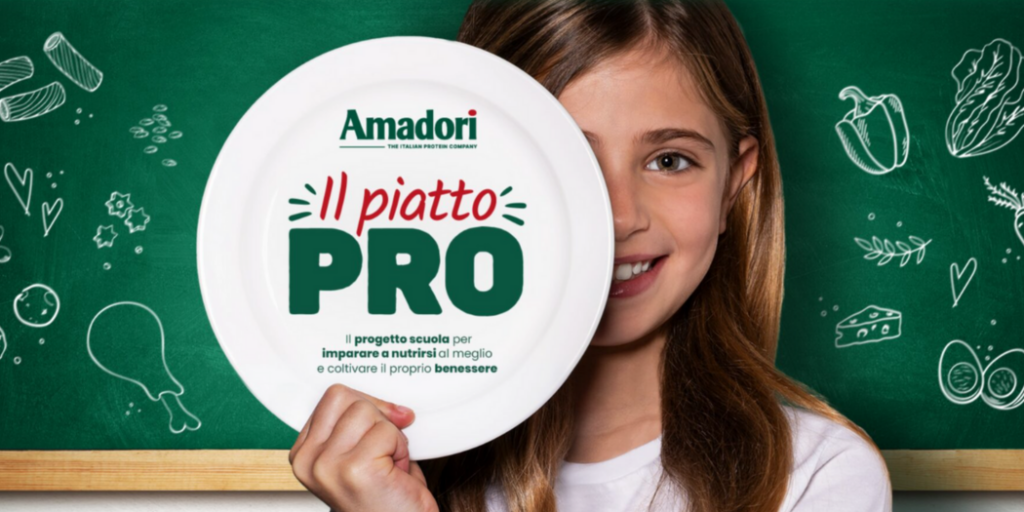
“Il Piatto PRO” is a free educational project promoted by Amadori and created by d&f, an agency specialized in developing communication strategies and relationships with the school world.
The project is aimed at 3rd, 4th and 5th grade primary school classes, and runs from September 22, 2025 to May 4, 2026.
The program was created to:
- help children understand the importance of proper nutrition;
- increase awareness of the emotional and relational impact that food can have.
The teaching kit
After registering, each teacher receives a free teaching kit including:
- 6 short video lessons by Dr. Annalisa Maghetti, an expert nutritionist;
- 3 handouts (the value of food, macronutrients, overall wellbeing);
- 3 activity sheets with practical ideas linked to the handouts.
The teaching kit prepares the class for the game.
The video game “Il Piatto PRO-Game”
At the heart of the experience is “Il Piatto PRO - Game”: an educational game in which the class enters a virtual kitchen and tries to create a balanced meal, choosing ingredients divided into nutritional groups.
The algorithm is quite complex and was designed by the Code This Lab team following Dr. Maghetti’s guidelines to avoid “right/wrong” logic. Foods do not have fixed scores; instead, their value changes based on how they are combined on the plate. In this way, the game does not demonize food.
An example? Ice cream, when included within a balanced diet, can be a complementary food rather than an “enemy.” The message is simple: there are no “bad” foods-rather, habits become unbalanced when excess takes over.
The game provides immediate feedback on “how PRO” the created meal is, encouraging players to try again and improve: a simple but effective dynamic for learning by doing.
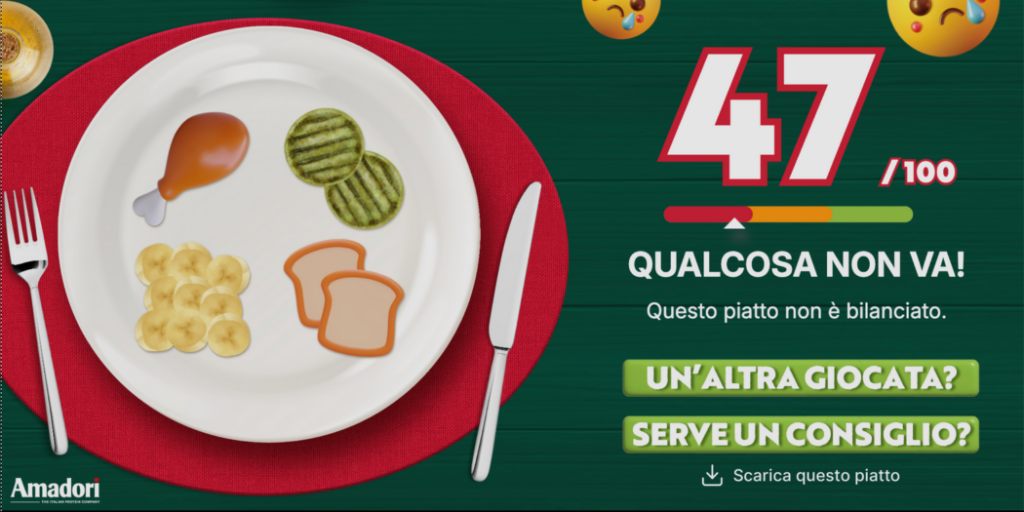
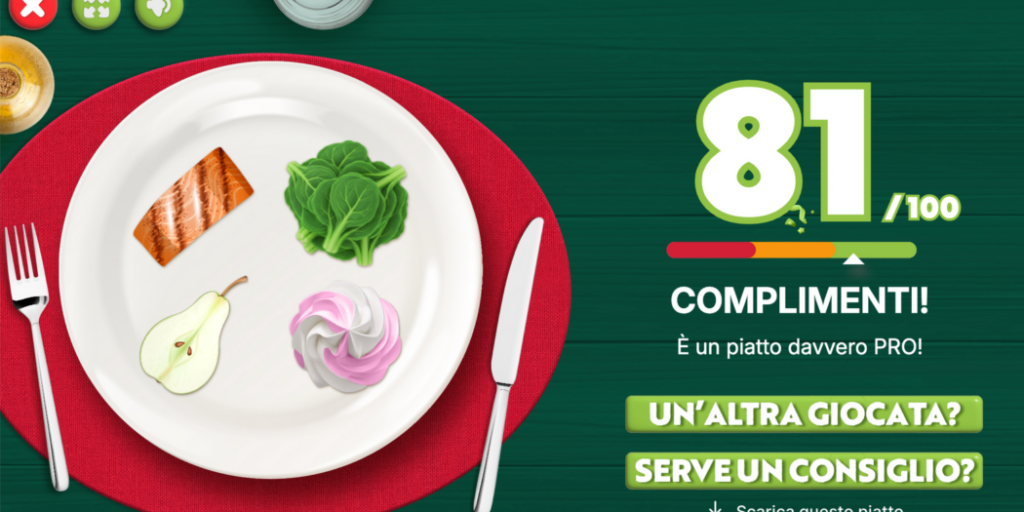
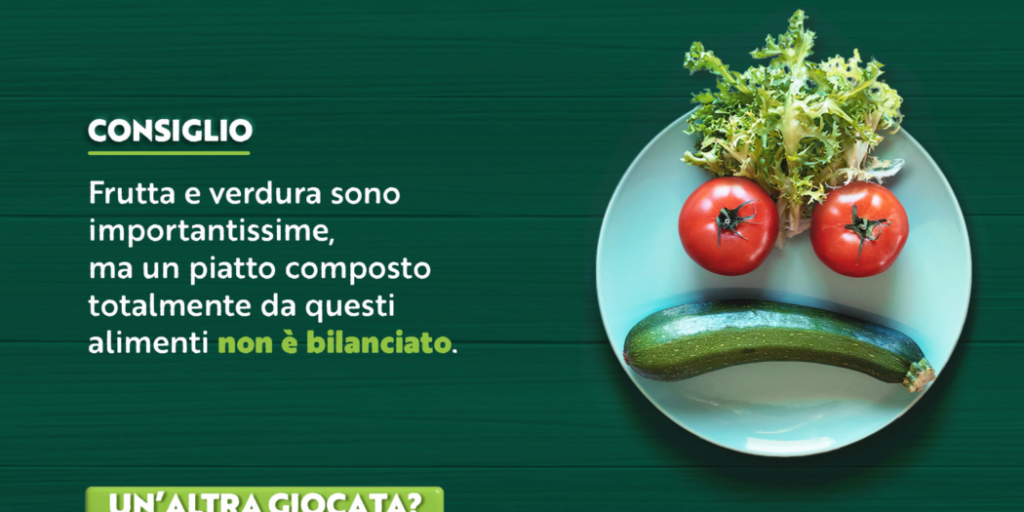
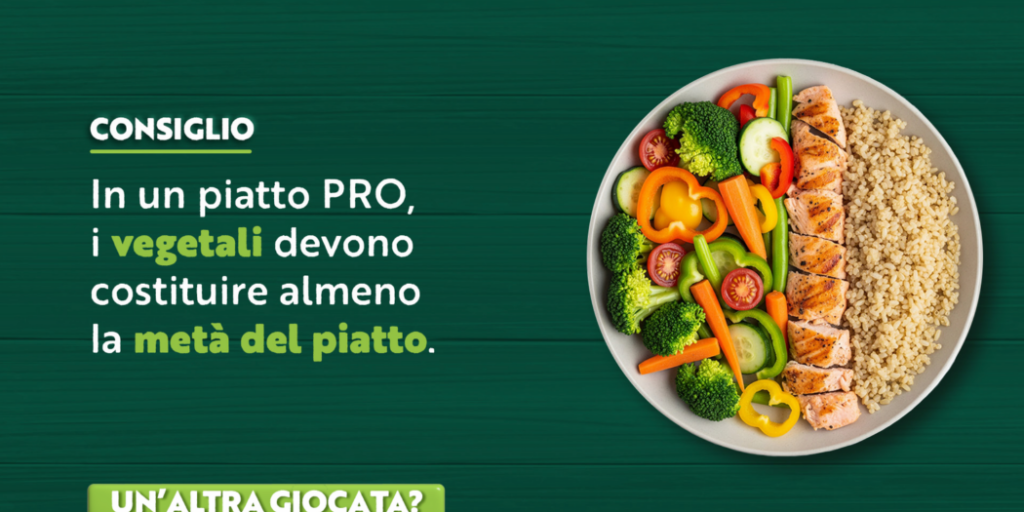
In addition, at the end of each match, a tips section helps students understand any mistakes and explore the nutritional role of the ingredients they selected in more depth.
The contest: when the game rewards the school
Every time the class completes a meal within the game, it earns an extra chance to take part in the final draw. In practice, the gameplay doesn’t just “reward” a single match. It encourages continuity, pushing students to try again, improve, and consolidate what they have learned.
The mechanism is simple and transparent: the more meals completed, the more chances to win. Each class can earn up to 30 chances, to keep the experience fair and manageable from an organizational standpoint.
The project’s evolution
Compared to the previous edition, the project has taken a clear leap toward digital.
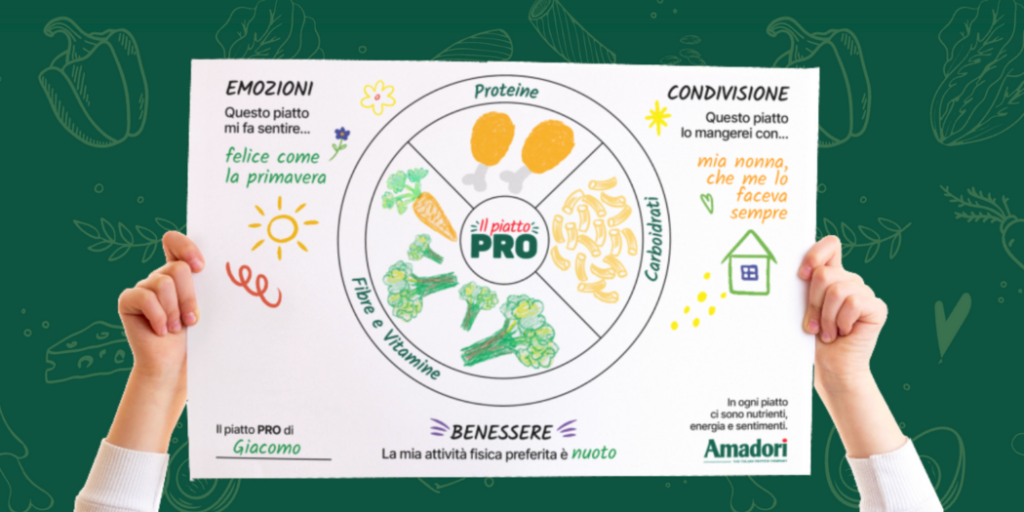
In 2024/2025, after the classroom activities, teachers asked children to represent their “PRO plate” with a drawing as a creative way to express the value of proper nutrition. An “analog” educational game.
The move to digital is not just a change of format: it improves accessibility and inclusion. Teachers and students can use the experience with devices already available in the classroom (interactive whiteboards, PCs, tablets), adapting it more easily to different time constraints, spaces, and needs.
Moreover, a digital solution makes the program more replicable and scalable, even across different classes and schools. It also simplifies participation in the contest by removing “material” constraints, and supports more equitable access where printing, collecting, and managing paper materials is more complex.